Arizona Engineering Technologies Design Expertise
“Innovative, Cost Effective Solutions that Span Various Industries”
AET DESIGN SERVICES
- MODELING: 3D-CAD Modeling, 3D-Printing, Drawings
- PROTOTYPES: 3D-Printing, Various Fabrication Processes
- ANALYSIS: Simulations, Structural and Thermal to Support Designs
- MANUFACTURABILITY: Design for Cost Effective Manufacturing
- ELECTRONIC PACKAGING: High Density, Passive/Active Cooling
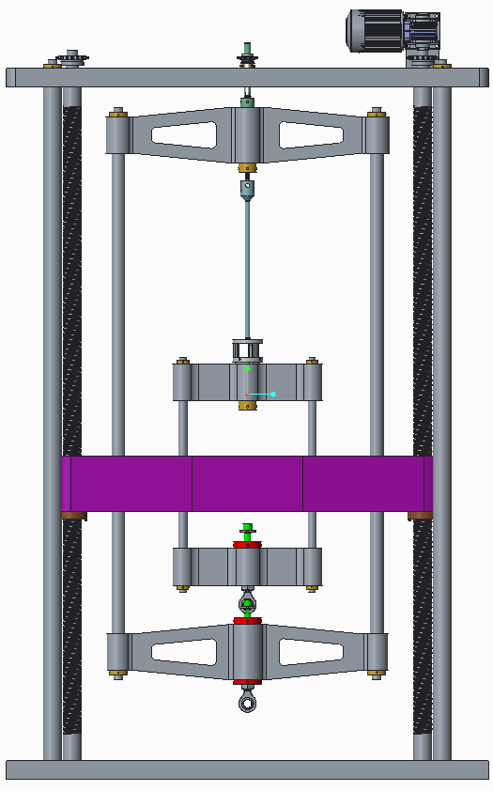
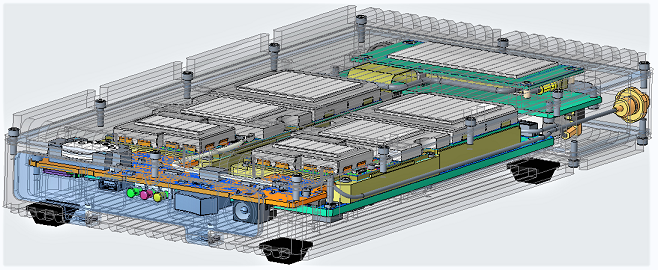
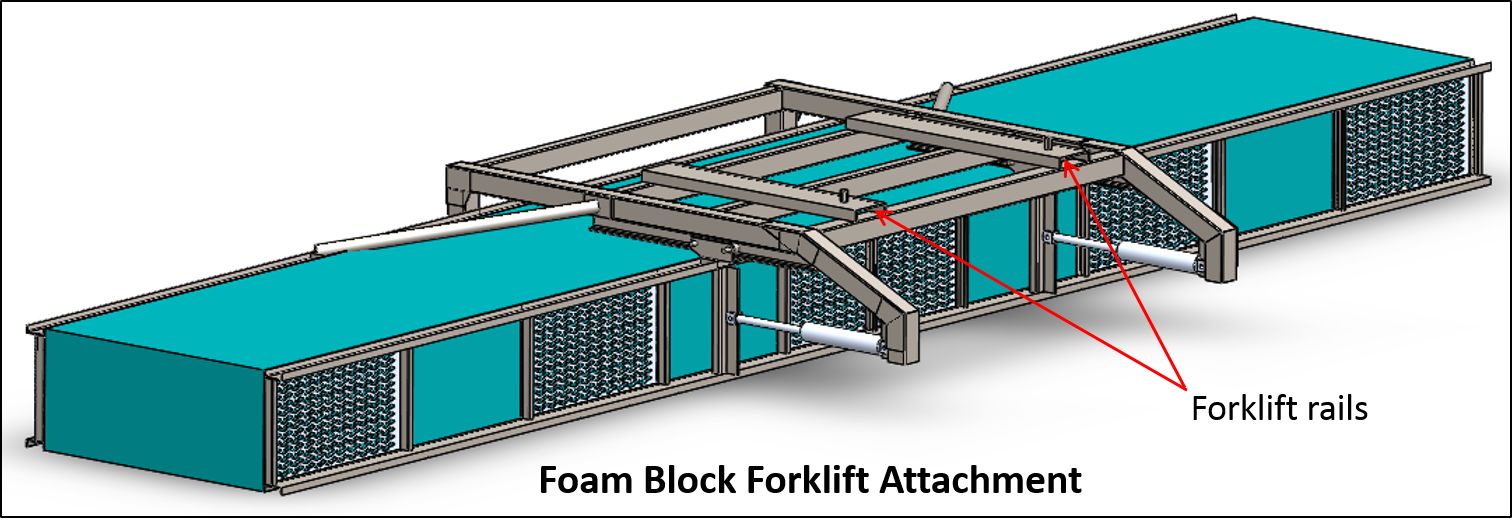
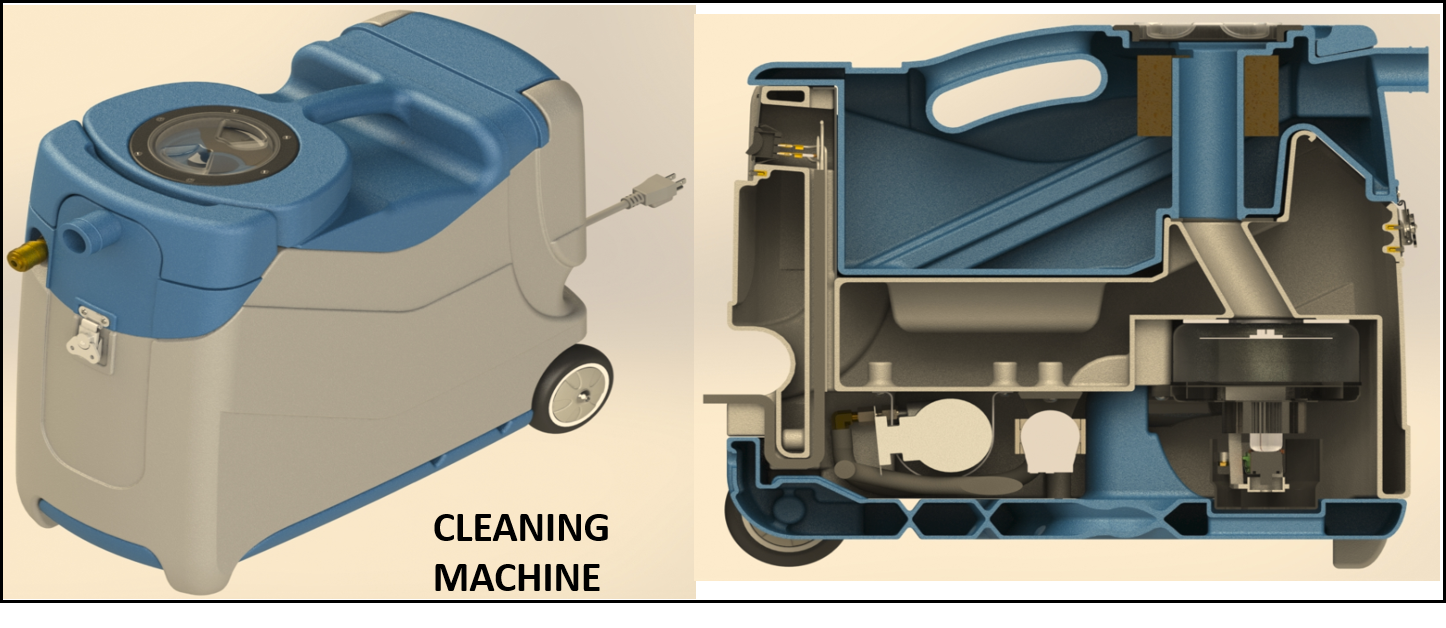
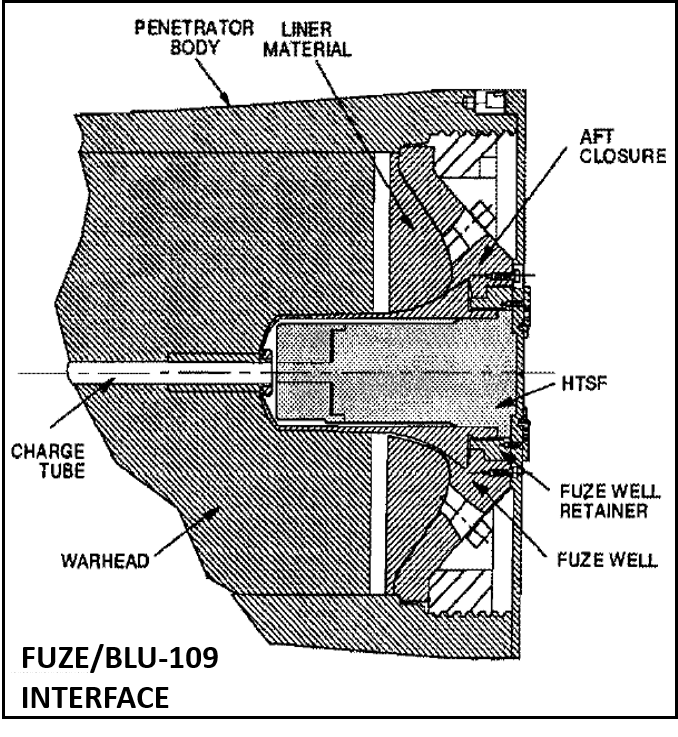
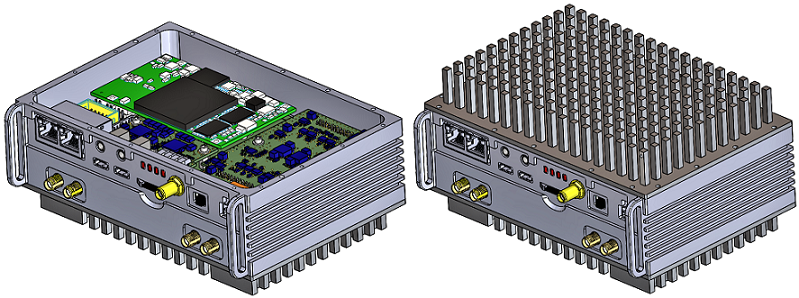
AET realizes the importance of product design requirements to insure the product meets the intended form, fit and function. They can range from simple, flexible requirements to stringent military specifications.
AET utilizes the required tools for a successful design, from 3D CAD and structural/thermal simulation software to 3D-printing machines for design prototypes. AET and its associates can also utilize materials characterization tools, reverse engineering measurement tools, scanning tools, lab ovens, and other as part of the engineering development process.
Most projects benefit from periodic reviews as illustrated in AET’s Design Methodology. They may include: A Conceptual Design Review (CDR), a Preliminary Design Review (PDR), a Final Design Review, known as Critical Design Review (CDR), and a Manufacturing Readiness Review (MRR).